To Buy Nolvadex Online Visit Our Pharmacy ↓
Introduction to Nolvadex and Clomid
Nolvadex and Clomid are two common medications used in hormonal therapy. Nolvadex, with the generic name tamoxifen, is often prescribed to treat breast cancer as well as to prevent it in high-risk individuals. Clomid, or clomiphene citrate, is primarily used to induce ovulation in women struggling with infertility. Both medications belong to a class of drugs known as selective estrogen receptor modulators (SERMs), but they have distinct applications and mechanisms of action in the body.
Nolvadex and Clomid are available in both brand-name and generic formulations, offering options for patients based on cost and accessibility. While Nolvadex has been on the market longer and is widely prescribed, Clomid is commonly used in fertility treatments. Patients' experiences with these medications can vary, with some preferring the effectiveness of Nolvadex for certain conditions while others find Clomid more suitable for their needs. It is important for individuals to consult with their healthcare providers to determine the most appropriate treatment option based on their specific health concerns.
In conclusion, understanding the differences between Nolvadex and Clomid is crucial for patients considering hormonal therapy. While both medications have proven efficacy in their respective applications, potential side effects and individual responses should be carefully considered. By weighing the benefits, risks, and costs associated with Nolvadex and Clomid, patients can make informed decisions with the guidance of their healthcare providers.
| Feature | Nolvadex | Clomid |
|---|---|---|
| Mechanism of Action | Blocks estrogen receptors | Stimulates ovulation |
| Efficacy | Effective in breast cancer | Induces ovulation in infertility |
| Side Effects | Hot flashes, blood clots | Mood swings, ovarian cysts |
Mechanisms of Action
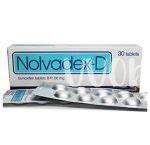
Nolvadex works by blocking estrogen receptors in the body, preventing estrogen from binding to these sites and initiating its effects. This mechanism of action is crucial in hormone-sensitive conditions such as breast cancer, where reducing estrogen's activity can help slow tumor growth and progression. Additionally, Nolvadex can act as an estrogen agonist in certain tissues, providing beneficial effects like maintaining bone density. Understanding these dual actions of Nolvadex is essential in optimizing its therapeutic outcomes and minimizing potential side effects. This nuanced mechanism sets Nolvadex apart from other hormonal therapies and underscores its importance in hormone-related treatment regimens.
Efficacy in Hormonal Therapy
Nolvadex and Clomid have been extensively studied for their efficacy in hormonal therapy. Clinical trials have shown that Nolvadex, a selective estrogen receptor modulator, is particularly effective in treating hormone receptor-positive breast cancer. Its ability to block estrogen receptors in breast tissue helps to prevent cancer recurrence and improve patient outcomes. Additionally, Nolvadex has been used off-label for fertility treatments in women who are anovulatory or infertile.
In contrast, Clomid, a selective estrogen receptor modulator commonly prescribed for ovulation induction, has shown promising results in women with polycystic ovarian syndrome. By stimulating the release of gonadotropins, Clomid promotes ovulation and increases the chances of pregnancy. However, it is important to note that Clomid may not be as effective in women with other underlying causes of infertility, such as tubal factors or male factor infertility.
Overall, both Nolvadex and Clomid have demonstrated efficacy in hormonal therapy, albeit for different indications. The choice between the two medications depends on the specific clinical scenario and desired treatment outcomes. Consulting with a healthcare provider is crucial to determine the most appropriate therapy based on individual patient needs and medical history.
Side Effects and Risks

Nolvadex and Clomid also have their own set of side effects and risks that patients should be aware of when considering hormonal therapy. Common side effects associated with Nolvadex may include hot flashes, nausea, and vaginal discharge. On the other hand, Clomid can potentially lead to mood swings, headaches, and vision disturbances. More serious risks, although rare, may include blood clots or an increased risk of uterine cancer with Nolvadex, while Clomid may result in multiple pregnancies or ovarian hyperstimulation syndrome. It is important for patients to discuss these potential side effects and risks with their healthcare provider to make an informed decision about the best treatment option for their individual needs.
Cost and Accessibility
When comparing Nolvadex and Clomid in terms of cost and accessibility, it's important to consider various factors that can influence the overall expenses for patients. While both medications are widely used for hormonal therapy, their pricing and availability may vary depending on the manufacturer, dosage strength, and location. Additionally, the accessibility of these drugs could be influenced by insurance coverage and prescription requirements. Patients may find differences in the out-of-pocket costs and ease of obtaining either Nolvadex or Clomid based on their specific healthcare plans and local pharmacies.
To illustrate this further, let's create a simplified comparison table outlining the potential differences in cost and accessibility between Nolvadex and Clomid:
| Aspect | Nolvadex | Clomid | |---------------------|--------------------------|----------------------------| | Average Cost | $X per dosage | $Y per dosage | | Insurance Coverage | Yes/No | Yes/No | | Generic Available? | Yes/No | Yes/No | | Prescription Needed | Required/Not Required | Required/Not Required | | Local Availability | Widely available/ Limited | Widely available/ Limited |
By analyzing these factors, patients can make informed decisions regarding which medication aligns best with their financial situation and convenience in obtaining the prescribed treatment.
Patient Experience and Recommendations
Patient experiences and recommendations are crucial aspects to consider when comparing Nolvadex and Clomid for hormonal therapy. Patients often report varying levels of effectiveness and side effects with each medication. Some may find that Nolvadex provides better symptom relief, while others may prefer the convenience of Clomid's dosing schedule. Recommendations from healthcare providers play a significant role in guiding patients towards the most suitable option, taking into account individual medical history and treatment goals.
It is essential for patients to communicate openly with their healthcare providers about their experiences with Nolvadex or Clomid. This feedback helps in fine-tuning the treatment plan for optimal results. Patients are advised to follow the prescribed **script** diligently and report any **side effect** or concerns promptly. Ultimately, patient-centered care, which considers individual experiences and preferences, is crucial in determining the most effective hormonal therapy for each person.