To Buy Tetracycline Online Visit Our Pharmacy ↓

How Tetracycline Antibiotics Swiftly Target Acne Bacteria
I remember the time I learned why these drugs calm angry skin: they quickly enter hair follicles, find the bacteria feeding on oils, and blunt inflammation. The effect feels swift compared with topical alone.
At a molecular level they intercept bacterial protein factories, halting growth and reducing numbers inside plugged pores. That drop in bacterial load translates into fewer pustules and less immune-driven redness within days to weeks.
They also dampen inflammatory signaling, lowering cytokine release and calming the exaggerated immune response that enlarges lesions. Clinically this dual antibiotic-plus-anti-inflammatory action often speeds visible improvement versus anti-inflammatories alone and reduces surrounding swelling quickly.
Still, they're not an instant cure: pores need time to clear, and improvement varies with severity. Dermatologists commonly pair them with topical retinoids to sustain clearance and prevent rebound while monitoring for risks.
| Action | Effect |
|---|---|
| Target | Reduces bacteria |
Clinical Effectiveness: Evidence Behind Acne Clearance Claims

Many patients describe dramatic clearing after weeks on tetracycline, a pattern borne out by randomized trials showing significant reduction in inflammatory lesions versus placebo. Studies report improvement typically within six to twelve weeks, with greatest benefit in moderate-to-severe inflammatory acne; oral antibiotics are less effective for comedonal acne alone.
Meta-analyses emphasize benefits when tetracycline is paired with topical retinoids or benzoyl peroxide to prevent resistance and boost results; however evidence highlights relapse after discontinuation and limited long-term data. Clinicians weigh rapid clearance against resistance risk and tolerance when deciding duration.
Common Side Effects and Surprisingly Serious Rare Risks
Many people starting tetracycline notice predictable side effects: stomach upset, nausea, diarrhea, and increased yeast infections. These often appear within days and usually ease after a short adjustment period.
Photosensitivity is common; sun exposure can trigger severe burns, so diligent sunscreen and clothing matter. Tetracycline can also cause esophageal irritation and permanent tooth discoloration especially in young children.
Rarely, more alarming complications occur: intracranial hypertension, hepatotoxicity, and severe allergic reactions. Although uncommon, these demands prompt medical evaluation if symptoms like headache, vision changes, or jaundice suddenly emerge.
Practical steps reduce harm: avoid use in pregnancy and young children, take pills with full glass of water, and separate doses from dairy or supplements to preserve effectiveness.
Antibiotic Resistance and Long Term Treatment Trade-offs
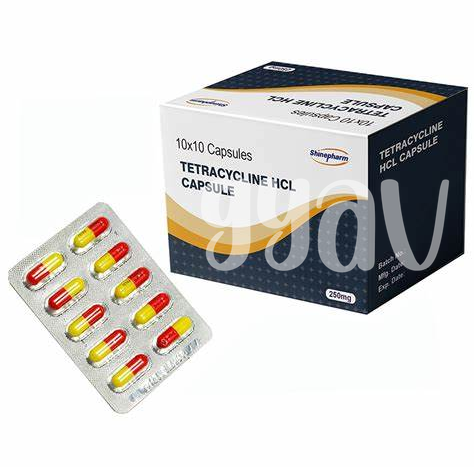
When a dermatologist hands over a prescription for tetracycline, patients often imagine rapid transformation. Early improvements can feel like proof the problem is solved, yet bacteria adapt and communities on skin shift. Understanding that initial gains may not guarantee lasting control reframes decisions about future care.
Long courses increase selection pressure: resistant strains flourish, reducing future treatment options and complicating acne management. Resistance can spread beyond the individual, impacting community antibiotic effectiveness. Clinicians weigh symptom relief against ecological consequences, often preferring shorter courses or adjunctive agents to limit selective pressure.
Patients can help by asking about non-antibiotic strategies, combining topical retinoids, benzoyl peroxide, or hormonal options, and adhering to prescribed durations. Regular follow up with culture-guided changes is wise. Ultimately, preserving antibiotic utility requires shared decision making that balances individual benefits with public health prudence and long-term skin health outcomes.
Practical Guidance on Dosing, Duration, and Precautions
Start with your doctor: tetracycline recommendations depend on acne severity and medical history. Baseline labs and allergy history guide choices.
Typical adult dosing is 100–200 mg daily; taking with food but not dairy reduces stomach upset. Space dosing evenly and avoid bedtime to reduce reflux.
Short courses (6–12) often show improvement; longer use raises resistance risk, so review progress monthly. If no benefit by three months, consider alternative therapies or adjunct topical retinoids.
Avoid in pregnancy, young children, and sun exposure is increased; report severe side effects promptly. Stay hydrated.
| Dose | Typical Use |
|---|---|
| 100 mg | Daily, usual starting dose |
Alternatives Explored: Non-antibiotic Therapies and Lifestyle Tweaks
Think of acne as a neighborhood problem: topical retinoids and benzoyl peroxide clear debris and reduce inflammation without antibiotics for many people.
Hormonal options like combined oral contraceptives or spironolactone calm sebum production; light, chemical peels, and lasers help stubborn lesions with dermatologist guidance.
Small daily shifts—consistent gentle cleansing, non-comedogenic moisturizers, reduced dairy or high-glycemic foods, better sleep and stress management—improve outcomes over weeks to months predictably.
Combine topical, procedural, and lifestyle strategies; reserve systemic options for severe cases, and discuss risks and duration with your dermatologist before starting anything. https://www.ncbi.nlm.nih.gov/books/NBK547733/ https://medlineplus.gov/druginfo/meds/a682063.html